


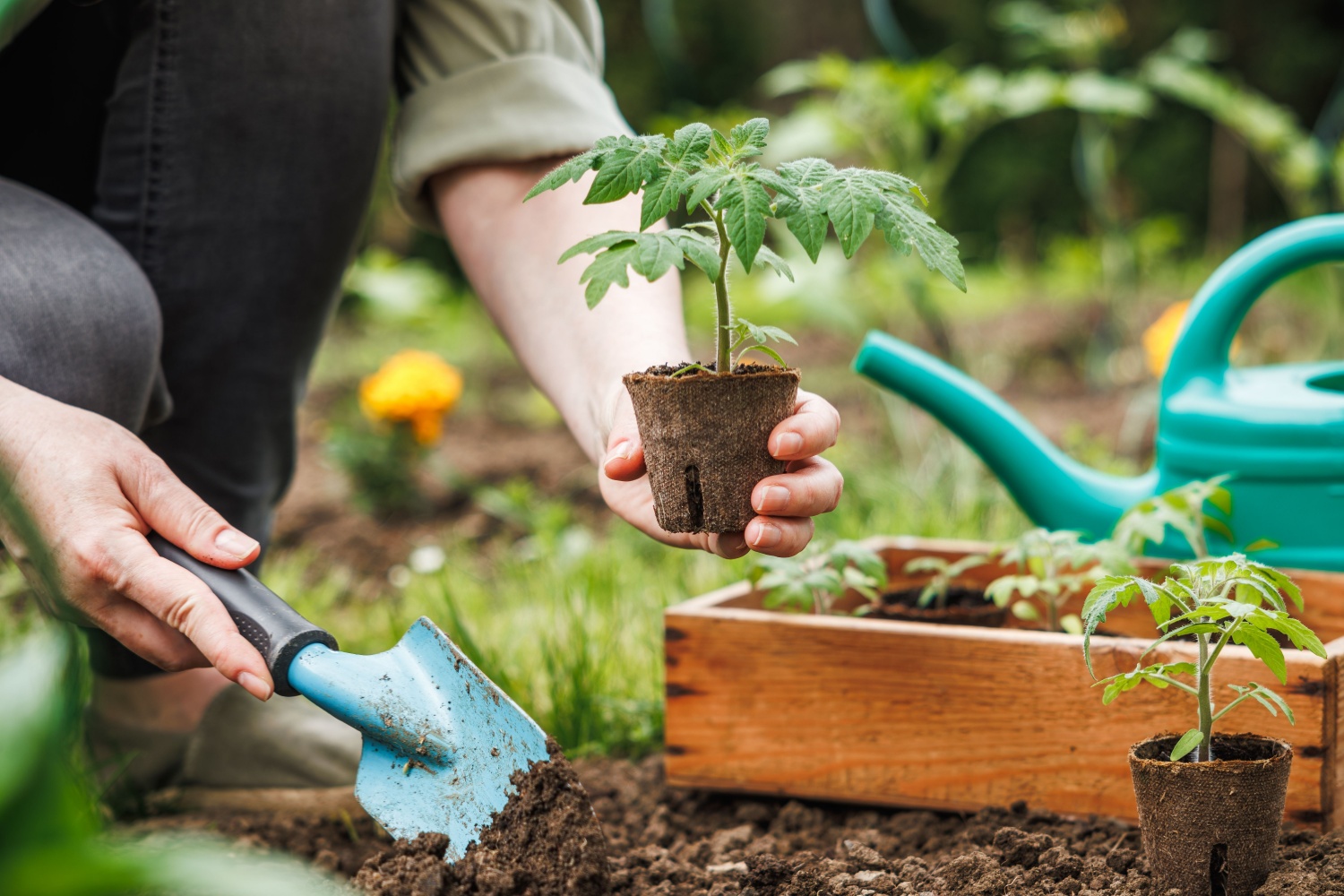
5 surprising health benefits of gardening in retirement
At long last, spring has arrived.
After a long period of winter dormancy, the frozen ground is finally thawing, making it the perfect opportunity to once more begin tending your garden.
While gardening is an enjoyable pastime for many, it also offers various practical, scientific, and psychological benefits, particularly for those in retirement.
Continue reading to discover five surprising health benefits that you can take advantage of by flexing your green fingers this year.
1. Gardening preserves cognitive function
There is ample evidence suggesting that gardening may support brain health and reduce cognitive decline.
Research from the University of Edinburgh, reported by the BBC, found that those who spent time gardening showed greater lifetime improvement in their cognitive ability than those who didn’t or rarely did.
Not only this, but cognitively stimulating activities have also been linked to a reduced risk of Alzheimer’s.
This is largely because gardening helps maintain various skills that you may have relied on during your working life, such as planning, organisation, memorisation, creativity, and problem-solving.
As such, gardening ensures that you continue to have some form of cerebral challenge that keeps your mind healthy, helping you live a longer and more rewarding life in retirement.
2. Pulling weeds can keep your hands and heart healthy
Alongside cognitive health, gardening can also be incredibly rewarding for your physical health.
Gardening qualifies as a moderate physical activity which, if performed for sustained periods, can contribute to improved cardiovascular health. In fact, it has been found that gardening can help reduce your risk of cardiac arrest by 66%, according to a BBC report.
Moving around the garden and getting your hands dirty allows you to stay active. If you suffer from arthritis, activities like digging, weeding, and planting improve grip strength, hand dexterity, and joint flexibility.
And as a low-impact activity, it can help you stay physically fit with minor risk of injury compared to running or gym workouts. This is particularly suited for those who are looking for a more comfortable and easy-going retirement lifestyle.
3. It can help reduce depression, anxiety, and stress
Spending time in green spaces like the garden can help to significantly reduce your risk of mental illness.
For example, Thrive produced a study surveying 317 people participating in their table-top gardening sessions across Berkshire, Hampshire, and south Oxfordshire. The results showed that 80% reported better mental health as a result, and 93% said their confidence and motivation improved.
Gardening can be extremely rewarding, offering a sense of achievement, satisfaction, and pride from nurturing plants. Similarly, gentle movement releases endorphins – the happy hormone – into your system.
You can also enhance these psychological benefits of gardening by creating a sensory garden, one that stimulates all five senses: sight, sound, touch, taste, and smell.
4. Gardening can be socially rewarding
Gardening can also be practised as a communal or collective activity, which can offer valuable social stimulation in retirement.
You can achieve this by participating in community gardens or using allotments. These encourage people to work as part of a team by sharing responsibility, and doing so can boost your self-esteem, particularly if your social life has slowed down since leaving work.
A Thrive study found that, out of 300 over-50s who participated in social gardening projects, 86% felt less isolated and socialised more, and 76% said they had become more engaged in their local community.
You might prefer solo gardening because it is a peaceful and quiet activity to enjoy by yourself. However, if you’d like to become more socially active, consider translating this pastime into a group activity at a community garden near you.
5. What you grow can offer different health benefits
When it comes to gardening, it’s not just about growing; it’s about what you grow.
Different flora offer specific health benefits, so it could be beneficial to tailor your garden to suit your specific dietary or healthcare needs.
For example, if you grow superfoods like broccoli, kale, and cauliflower, you can boost your diet with a range of nutrients that can benefit you in retirement; cruciferous vegetables are good sources of fibre, vitamins, and cancer-preventing phytochemicals, the National Council on Ageing reports.
The same also applies to herbs:
- Sage can help improve your brain function and memory.
- Peppermint can relieve irritable bowel syndrome (IBS) pain and reduce nausea.
- Rosemary helps prevent allergies and nasal congestion.
- Parsley is anti-inflammatory.
- Thyme contains manganese and vitamins A and C.
If you keep your garden diverse, with various types of fruit, vegetables, and herbs, you can take advantage of numerous health benefits to support a healthy mind and body in retirement.
Get in touch
If you’d like to start treating your finances with the same level of care and attention as you do your garden, contact your Caliber financial planner today.
Email contact@caliberfm.co.uk or call 01525 375286 to speak to one of our team.