


Nervous about retiring? A phased approach might help
Behind marriage and having children, retirement is the third most emotionally impactful event we experience in our lives, according to a Financial Services Compensation Scheme (FSCS) survey of individuals aged between 55 and 75.
Those who found the transition worse than expected struggled most due to:
- Boredom (40%)
- Lack of structure (38%)
- The amount of time spent at home (38%).
While retirement does tend to come with a quieter, more relaxed lifestyle, you don’t have to jump in headfirst.
With a phased approach, you can make your transition to retirement more gradual, easing you into it so you can more fully enjoy its benefits.
Continue reading to discover whether a phased retirement is right for you and your financial plan.
A phased approach to retirement turns a “cliff-edge” decision into a gradual one
Practically, a phased retirement involves moving from full-time work to part-time work, cutting your hours in half (or in a way that best suits your needs).
A phased approach has become an increasingly popular option for over-50s. In fact, a WTW survey found that nearly half of workers in this age group had either started phasing into retirement by reducing their hours and responsibilities (17%) or planned to do so (32%).
A softer transition can be beneficial for those in more demanding roles, like doctors or solicitors, who might struggle more with the leap from a front-loaded schedule to a quieter retirement lifestyle.
However, a phased approach isn’t suitable for everyone, such as:
- Business owners seeking a clean break by selling their business
- Individuals suffering from severe workplace burnout
- People with big plans for early retirement, such as a round-the-world trip
- Those who struggle to set clear boundaries between life and work.
Keep reading to learn more about the practical and behavioural benefits of a phased retirement to help you determine whether it’s right for you.
Hold on to key pension opportunities while benefiting from a reduced workload
A phased approach allows you to continue earning while being able to relax more and move at your own pace.
For example, if you want to reduce your workload but are also keen to save more for retirement, transitioning to a part-time role means you can reduce your responsibilities while continuing to build pension wealth.
Even modest pension contributions can benefit from investment growth, so don’t underestimate the value of continuing to make contributions while phasing into retirement.
Alternatively, you could start withdrawing your pension wealth alongside your part-time income (as well as receive State Pension payments, so long as you qualify and have reached State Pension Age).
Blending earnings from work with retirement income might allow you to receive the equivalent of your normal, full-time pay on reduced hours. However, it requires careful planning in order to remain tax-efficient.
Once you begin taking flexible income from your pension, the amount you can contribute tax-efficiently could fall to just £10,000 in the 2026/27 tax year under the Money Purchase Annual Allowance (MPAA). Taking your tax-free lump sum does not usually trigger the MPAA.
Plus, some pension income is taxed, and if you’re not careful, combining it with working income could mean you face a higher tax liability than you had planned for.
A financial adviser can help you coordinate your phased retirement income so that it remains tax-efficient.
Maintain a sense of purpose, boost your wellbeing, and stay social
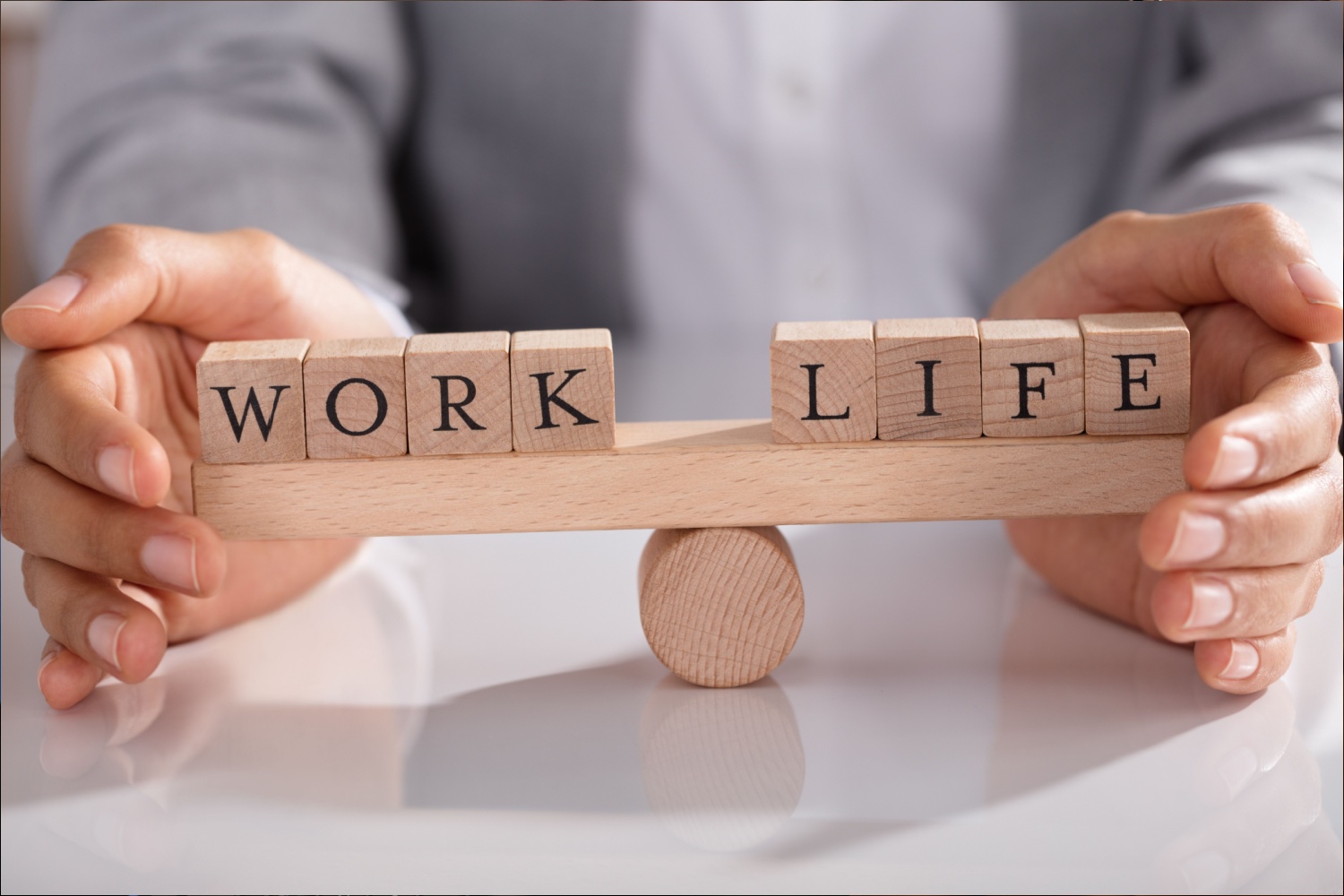
Gradually improving your work-life balance with a phased retirement allows you to prioritise your freedom while also holding on to key psychological benefits from your working life.
For instance, if you are passionate about your work, you might be nervous about losing the “good bits” if you retire altogether. According to the Centre for Ageing Better, a significant proportion of UK workers worry about losing their sense of purpose in retirement.
A phased approach allows you to slowly reduce your working responsibilities as you explore new areas of interest.
An academic study also found that a phased retirement has several positive benefits for wellbeing, including:
- Improved vitality and energy levels
- Reduced fatigue
- An increased likelihood of reaching retirement age in relatively good health.
The results were more impactful for those in high-stress work, who were more likely to experience improved energy levels from a gradual retirement.
Finally, a phased approach can also help you maintain an active social circle in retirement.
Social isolation is a critical issue for retirees – in 2024, Age UK reported that 7% of people aged 65 and over are often lonely.
Instead, a phased approach allows you to stay socially engaged at work while you spend more time building new personal connections in your free time.
Get in touch
If you’re concerned about a cliff-edge retirement and think a phased retirement might be right for you, speak to one of our team today.
Email contact@caliberfm.co.uk or call 01525 375286 to find out more.
Please note
This article is for general information only and does not constitute advice. The information is aimed at individuals only.
All information is correct at the time of writing and is subject to change in the future.
A pension is a long-term investment not normally accessible until 55 (57 from April 2028). The fund value may fluctuate and can go down, which would have an impact on the level of pension benefits available. Past performance is not a reliable indicator of future performance.
The tax implications of pension withdrawals will be based on your individual circumstances. Thresholds, percentage rates, and tax legislation may change in subsequent Finance Acts.
Your pension income could also be affected by the interest rates at the time you take your benefits. The tax implications of pension withdrawals will be based on your individual circumstances, tax legislation, and regulation, which are subject to change in the future.
The value of your investments (and any income from them) can go down as well as up and you may not get back the full amount you invested. Past performance is not a reliable indicator of future performance.
Investments should be considered over the longer term and should fit in with your overall attitude to risk and financial circumstances.